Cara Menggunakan Gerudi Batu dengan Selamat dan Berkesan
How to Use a Rock Drill Safely and Efficiently
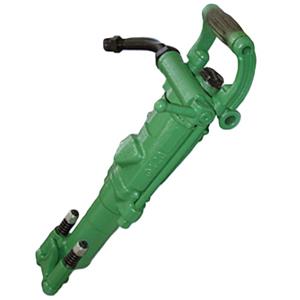
A rock drill can deliver reliable performance only when it is prepared, adjusted, and operated correctly. Proper maintenance and safe drilling practices help reduce premature wear, improve drilling efficiency, and protect workers on site.
Pre-Start Preparation
Before operating a new rock drill, disassemble and clean away the factory-applied rust-preventive oil. Apply suitable lubricating oil to moving components during reassembly, then connect the air line and run the machine at low air volume to confirm normal operation.
Fill the automatic oiler with the lubricant specified in the manufacturer’s manual. Keep the oil container clean and covered to prevent rock dust and other contaminants from entering the lubrication system.
Check the air and water pressure at the work location. Excessive air pressure can accelerate component damage, while insufficient pressure may reduce drilling efficiency. Water pressure should also be controlled carefully because excessive water can affect lubrication and cause corrosion, while insufficient water may lead to poor flushing.
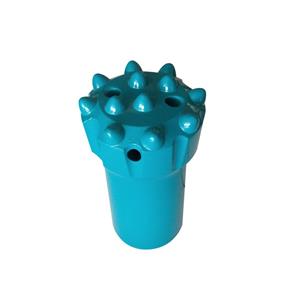
Inspect the drill rod and drill bit before use. Components that fail quality or condition requirements must be removed from service. Clean contaminants from air and water-line connections, tighten all hoses securely, and verify that the drill rod rotates freely after insertion.
Finally, tighten all connection bolts and test the feed mechanism. Drilling should begin only after the propulsion system has been confirmed to operate normally.
Safe Operating Practices
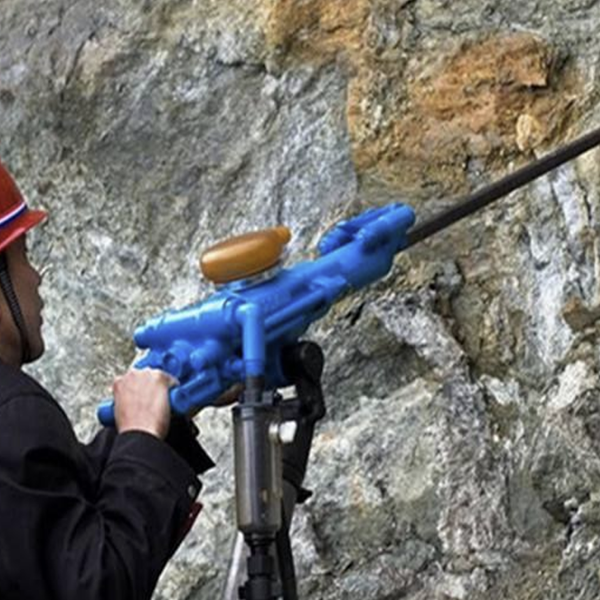
Start a hole at low rotational speed. Once the hole has reached approximately 10–15 mm, gradually increase the machine to full operation. Keep the drill rod aligned with the designed hole position and centered throughout drilling.
Axial thrust must be adjusted to match the drilling conditions. Too little thrust can cause machine bounce, excessive vibration, and lower productivity. Too much thrust can overload the machine, accelerate wear, and slow drilling progress.
If the drill rod becomes stuck, reduce the axial thrust. Stop the machine if the problem continues, then use an appropriate wrench to rotate the rod slowly while applying moderate air pressure. Never strike the drill rod to force it free.
Monitor flushing continuously. Normal flushing allows slurry to flow steadily from the hole. If flushing is inadequate, inspect the drill bit water passage, drill-rod tail, and water needle, replacing damaged parts where necessary.
Maintain the correct oil level and flow rate. Oil starvation causes premature wear, while excessive oil can contaminate the working surface. Operators should also monitor unusual sounds, machine behavior, and drill-bit condition, replacing components when abnormalities appear.
Keadaan batu memerlukan perhatian yang berterusan. Elakkan penggerudian di sepanjang satah lapisan, sambungan atau rekahan yang tidak stabil, jangan sekali-kali menggerudi lubang yang terbiar dan sentiasa berwaspada terhadap kejatuhan bumbung atau ketidakstabilan dinding sisi. Gunakan fungsi bukaan dengan betul dengan menurunkan tekanan hentaman dan mengekalkan tekanan suapan serendah yang praktikal, terutamanya semasa memulakan lubang di permukaan batu yang curam. Ini juga membantu mencegah lenturan rod gerudi.
Sentiasa ikut arahan pengeluar peralatan, penilaian risiko tapak dan peraturan keselamatan yang berkenaan.